Partnering with Local Vets and Trainers
Nevertheless, the rural regions are usually underserved based on the number of the veterinarians, which leaves the population of the animals and humans unprotected. Veterinary care can prevent the spread of diseases like rabies, brucellosis, PPR, and FMD, which threaten food security. Partnering with local vets and empowering veterinary paraprofessionals (VPPs) is key to reversing this trend.
As their responsibilities shift, veterinarians may move between diverse settings such as fields, farms, clinics, laboratories, and aquaculture facilities. They are also able to observe animal movement at the borders and to detect checks at the slaughterhouses to ensure the safety of the foods and the animal welfare. PPVs have a broad scope of duties, each Statutory Veterinary Authority has its specifications and typically consists of vaccination, training livestock farmers on how to perform good practices and reporting.
Why do other businesses refer clients to a trusted dog trainer?
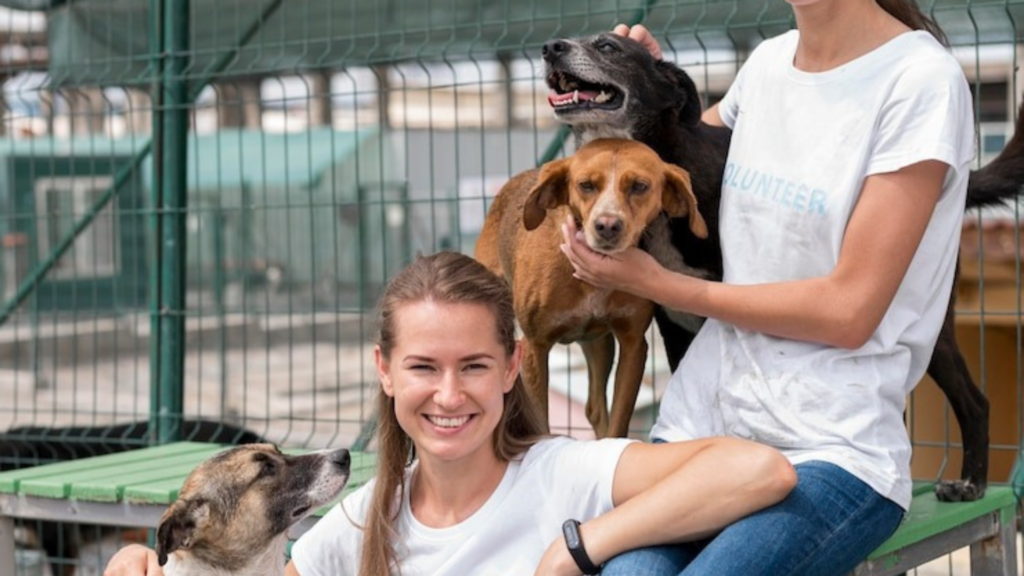
Disease outbreaks to the veterinarian authorities. On their part, livestock promoters are chosen in their own localities and are liable to a registered veterinarian, a registered PPV (guess a livestock health professional) or a capable official, to offer simple animal health and management services according to the majority animal welfare guidelines. In collaboration, veterinarians, veterinary paraprofessionals (VPPs), and livestock promoters endeavor to make sure that the right individuals, possessing the right skills work, to offer those people who require animal health services.
For instance, India presents one of the most prominent examples of this model in action. That is where the vet doctors trained in universities work together with the PPVs, and promoters of livestock, trained by non-governmental organizations (NGOs) called Pashu Sakhi, who mostly offer their services in the rural and remote locations. As NGOs can potentially possess their own training modules and approaches, the World Organisation for Animal Health (WOAH) assists its Members by providing them with access to the required tools to the enhancement of a well-trained veterinary workforce, i.e competency guidelines and veterinary.
How does dog behavior impact pet businesses?
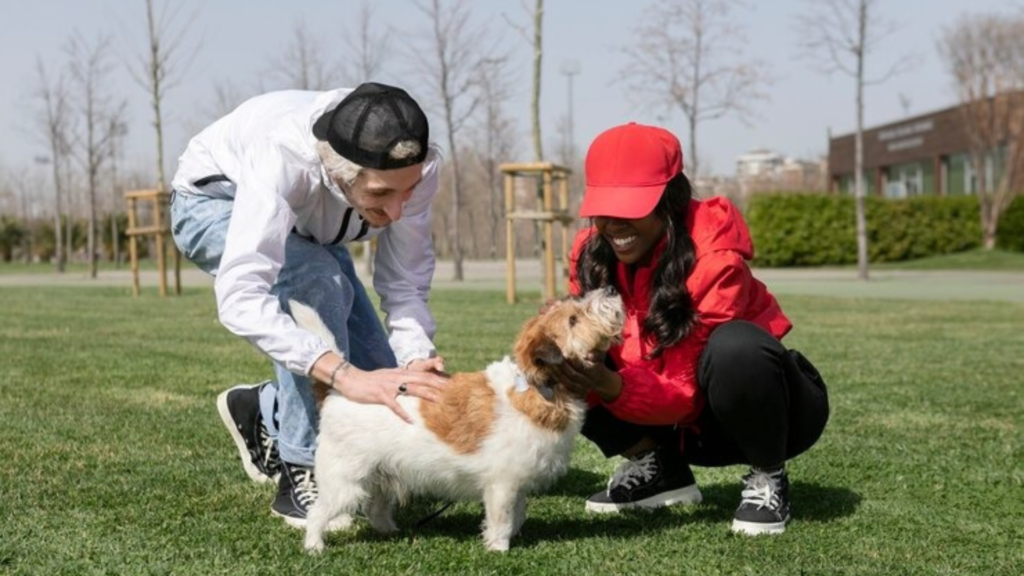
Veterinary paraprofessional, and livestock promoter educational programs. The development of the guidelines mentioned above had a field consultant (Dr. Abdus Sabur Sheikh) who is the senior program manager of Livestock Technology and One Health in Passing Gifts Private Limited which is a subsidiary of Heifer international that trains the Pashu Sakhis in India. To him, existence of standardised training modules which enhances skills and knowledge of the veterinary professionals and livestock promoters shall enable the development of stronger veterinary personnel system, able to deliver veterinary.
Services to even the remotest regions. Veterinarians, veterinary technicians and livestock promoters comprise each member of the veterinary workforce with their own expertise to offer reliable veterinary services. Their training, development, and proper coordination ensure quality care of animals, particularly within the underserved communities.
How can a dog trainer connect with other busy pet businesses?
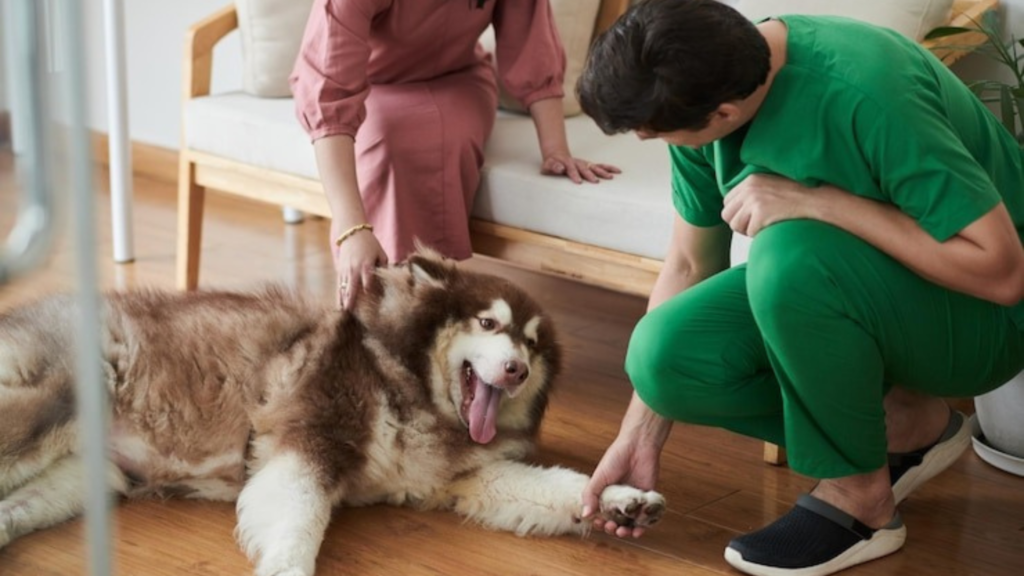
Practitioners (PPVs) and livestock promoters. A government veterinarian, Dr. Suman Prasad who presented his experience as the practitioner in this basis in the state of Bihar, in eastern India, spends the major part of his time in either treatment of ill animals at the veterinary hospital or in the field, or in mass vaccination of the large animals against such diseases as the foot-and-mouth disease (FMD), lumpy skin disease (LSD), hemorrhagic septicemia (HS), and brucellosis.
Also, he has a good rapport with the livestock promoters who assist him in vaccinating the animals as well as deworming them. Mr. Amarjeet Kumar is a PPV to Dr. Prasad and can be considered on par with other PPVs, because it fits the model as well, as he trains livestock promoters, instructs livestock promoters about handling small animals and starting backyard poultry farming, serves as an intermediary between veterinary hospitals and livestock promoters, and really.
Roles and Responsibilities in Livestock Care
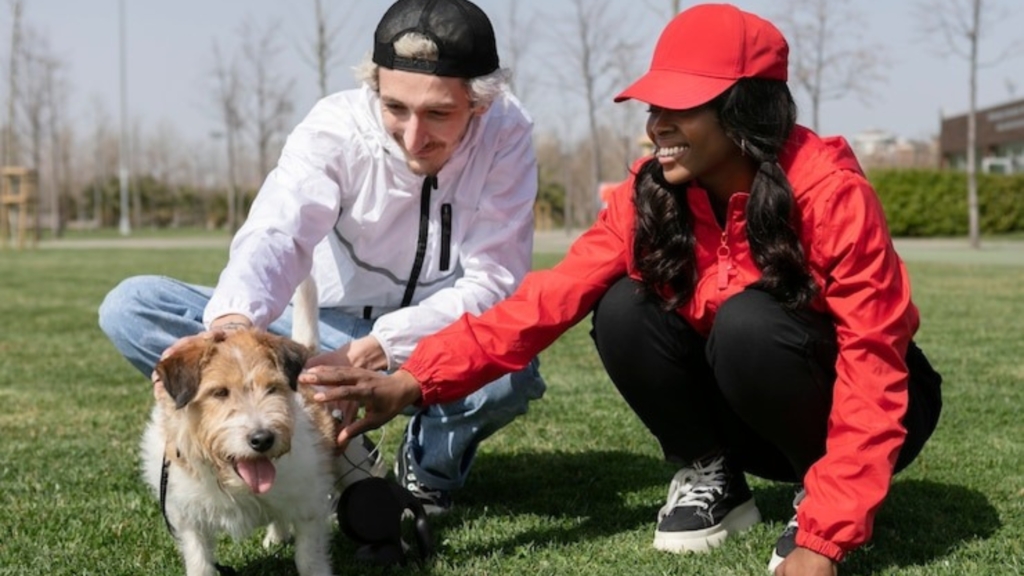
Works on farms and villages with animals. In their routine, they conduct field visits to oversee goat shelters construction, conduct biosecurity training to livestock farmers and ensure field livestock promoters as well as treating of sick animals. The livestock promoter (Ms. Mira Devi) of this trio, who works hand in hand with Mr. Kumar, spends her days treating, vaccinating and deworming goats (her main patients) in the villages. Her work has enabled a lot of livestock farmers to receive veterinary.
Dr. Prasad describes her expectation of the three-way model with words, saying, it is essential to have a PPV and a livestock promoter on-board in the vaccination process. According to the statistical data, there are fewer independent vaccinators than in the past years.


Komentar
Posting Komentar